The first time I clicked buy on EUR/USD and saw the order fill instantly, I assumed I was trading against my broker and nobody else. The truth is much bigger, and once you see it, you look at your charts differently. Forex is a spread out network where banks, companies, funds and millions of ordinary traders swap currencies around the clock, and every trade is a bet on one economy against another, which I explain properly in How Do Currency Pairs Work in Forex Trading?.
There is no central building and no opening bell, only a web of banks and trading platforms linked across the world, passing prices and orders between them all day. So I want to walk you through who the main players are, how your order actually reaches the market, and why knowing this helps you trade with expectations that match reality.
The market trades about 9.6 trillion dollars every single day, according to the latest survey by the Bank for International Settlements, and no one person can control an amount like that. Understanding who trades the forex market means you stop staring only at your own screen and start paying attention to the machinery running behind it.
When you place a trade, your broker passes it on to a larger company that supplies liquidity, which is a word for having enough buyers and sellers ready to trade. Think of it like a busy marketplace where you always need someone on the other side of your deal, so if you want to buy, someone else must want to sell, and that someone is often a giant bank or a hedge fund. Since your broker is the door you walk through to reach all of this, take your time with How to Choose a Forex Broker for Beginners before you send anyone your money.
For a long time I thought charts moved because of "patterns", so a head and shoulders pattern meant the price had to drop, and I lost a lot of money trying to force the market to follow my books. Eventually I realised that price only moves because big players are shifting billions of dollars, which meant I was not playing a game at all. I was a small trader in a market moved by giants, and unless I learned to watch where they were going, I was going to get crushed.
If you want to last, you need to know how these big players shape the price moves you see on your screen, so let us look at the main groups who move the market.
Tier One: Central Banks and the Big Picture Movers
The biggest players are the central banks, and you can think of them as the captains of a country's economy, with the US Federal Reserve as one example. They do not trade to make a profit. They trade to keep their country's money stable.
When a central bank changes interest rates, it sends a ripple through the whole world, and small traders often miss it because they are too busy looking at fancy indicators. But indicators are just shadows, and the real sun is what the central bank decides to do.
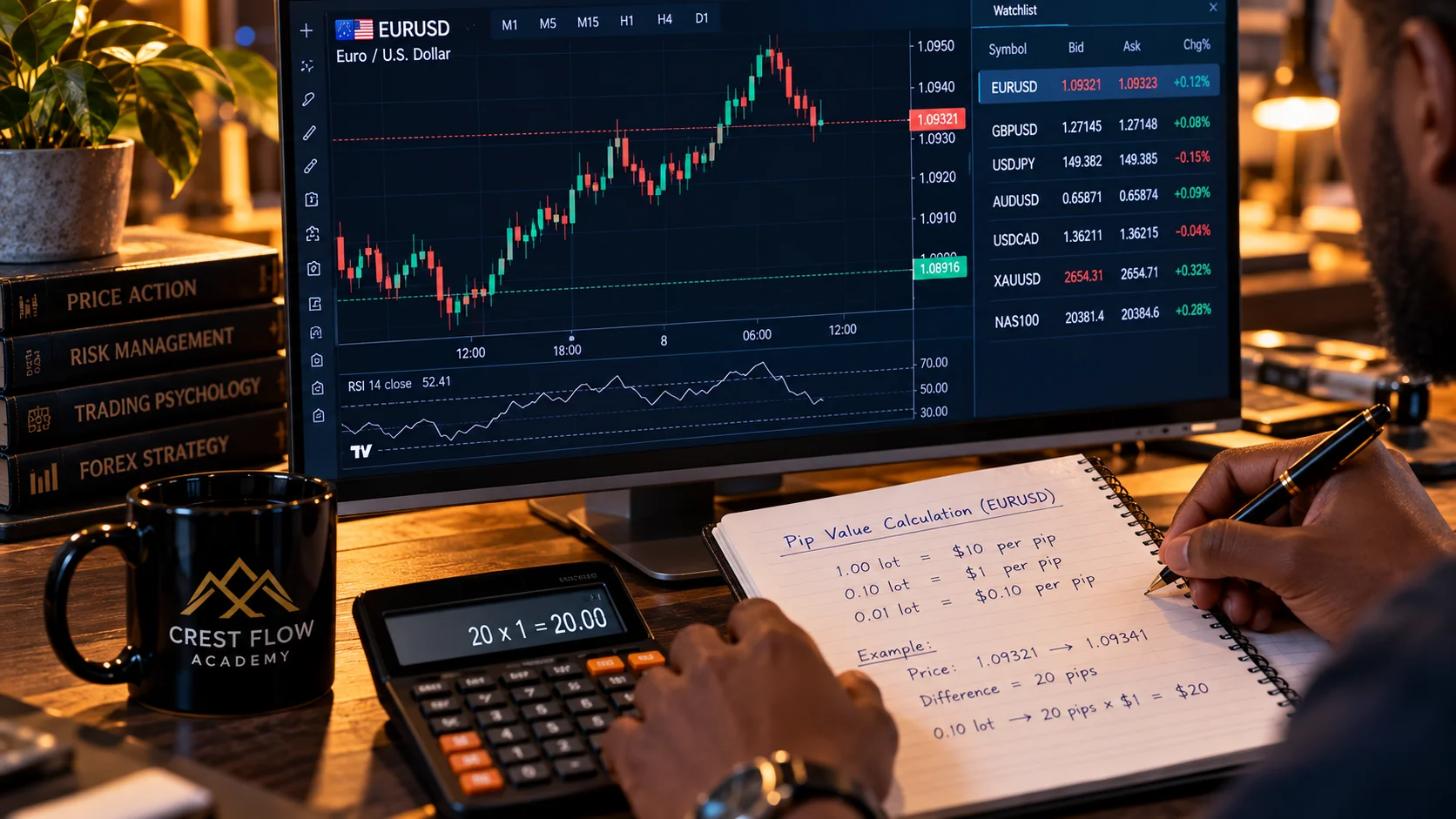
Holding a trade through a big news event taught me a hard lesson. My chart looked perfect, then the central bank announced a change in policy and the market moved a hundred pips in a minute, which made my stop loss useless. That was when I learned that the big players do not care about your chart patterns when they move, and it is why many experienced traders wait at least 30 minutes after a big news release before entering, or close their trades before the release comes out. A hundred pips sounds like a number on a screen until you know what each pip costs you, and What Is a Pip in Forex and How Do You Calculate It shows you how to turn pips into real dollars.
Commercial Banks and the Interbank Market
Next come the big commercial banks like JPMorgan, which trade with each other in what is called the interbank market, and this is where most of the real work happens. When a car company needs to turn billions of yen into dollars to buy steel, it does it here.
That kind of business creates huge orders that never show up on your little app. When you see a "support level", which is a price where the fall has stopped at least twice, you may be seeing big orders waiting at that price, and those orders can act like a floor. Once you know how to read candles at those levels, the places the banks are defending get much easier to spot, and How to Combine Candlesticks With Support and Resistance is where I show you how I do it.
Hedge Funds and Speculative Money
Hedge funds are groups that trade to make money grow, and they use huge amounts of cash to chase trends. They are very smart and very fast.
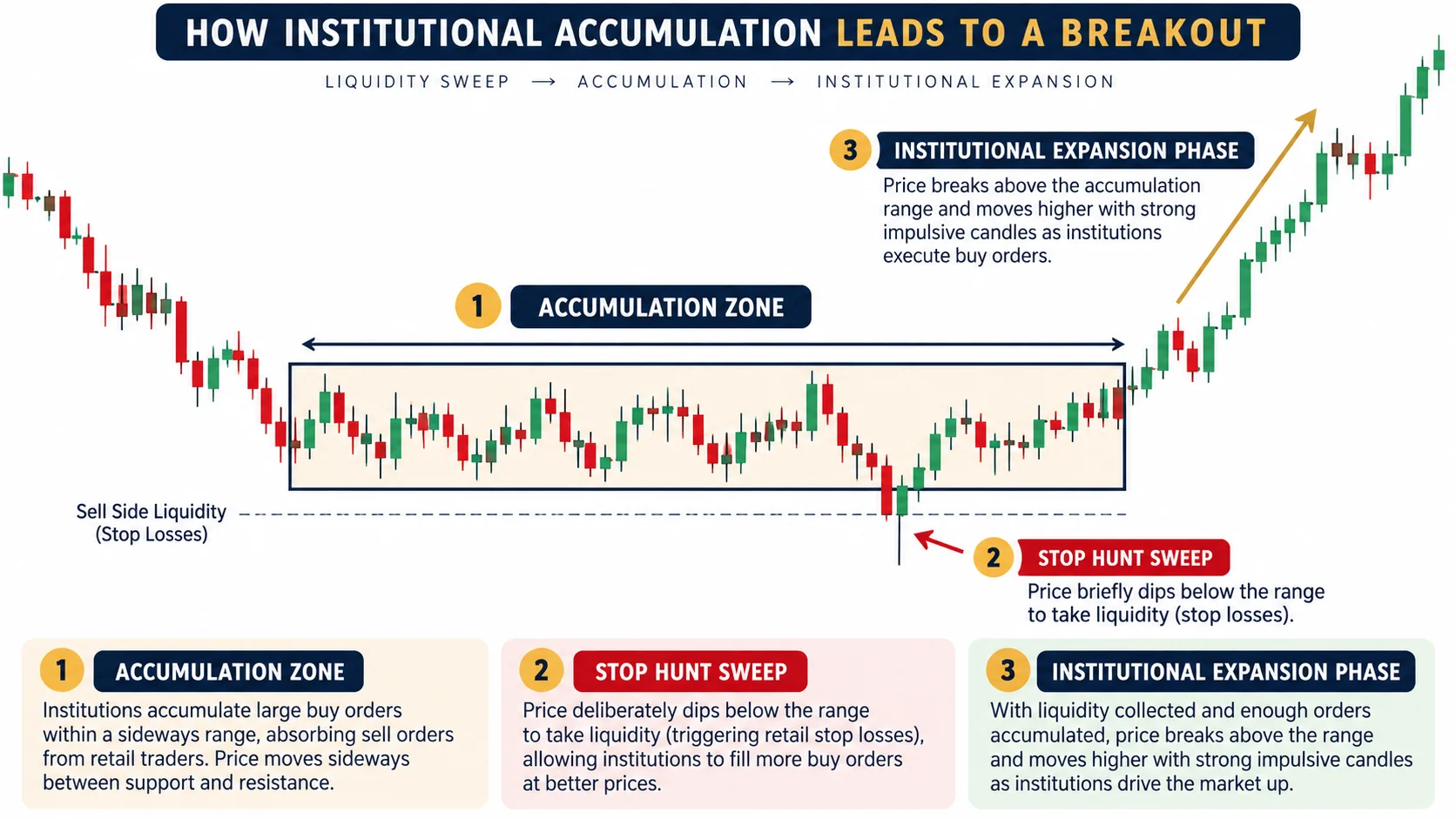
Because they have so much money, they cannot buy everything at once, because the price would jump too high before they finished. So they break their orders into smaller pieces, a little like a cook who adds salt to a big pot a pinch at a time instead of tipping in the whole bag and ruining the dish. This slow feeding of orders creates traps for small traders, because a fund might push the price down to scare people into selling, just so it can buy at a cheaper price. Those long wicks you see on candles are often the marks those traps leave behind, so it is worth reading How to Read Candlestick Wicks and Shadows in Forex Trading to learn how to spot them.
Where Retail Traders Fit Into the Global Picture
Then there is us, the retail traders, which simply means ordinary people trading their own money. We are the smallest fish in the sea, and we do not move the market, we just try to catch the waves made by the big ships. Since we are the ones catching those waves, you must pick a safe partner by reading How to Choose a Forex Broker for Beginners before you start.
This is actually good news, because you do not need to be a genius economist, you just need to be humble enough to notice when the big money is moving and follow it. Brokers also give us leverage to help us trade, and leverage is like a loan. You put up 100 dollars, and the broker lets you trade as if you had 10,000 dollars. It sounds great, but it is dangerous, because it makes your losses 100 times bigger too. If your own starting amount is small, How to Start Forex Trading With $100: A Beginner Guide is written for exactly your situation and shows you how to protect that money. If you want to put this into practice, How to Start Forex Trading With $100 Step by Step shows you how to begin your journey without much risk.
Why Understanding Market Participants Changes Your Trading
Most beginners look at a chart and see lines, so they think a "double bottom" means the price must go up. But the price only goes up if there is more buying than selling. The buying and selling always comes down to one currency being weighed against another, and How Do Currency Pairs Work in Forex Trading? shows you how that balance works for every pair you trade.
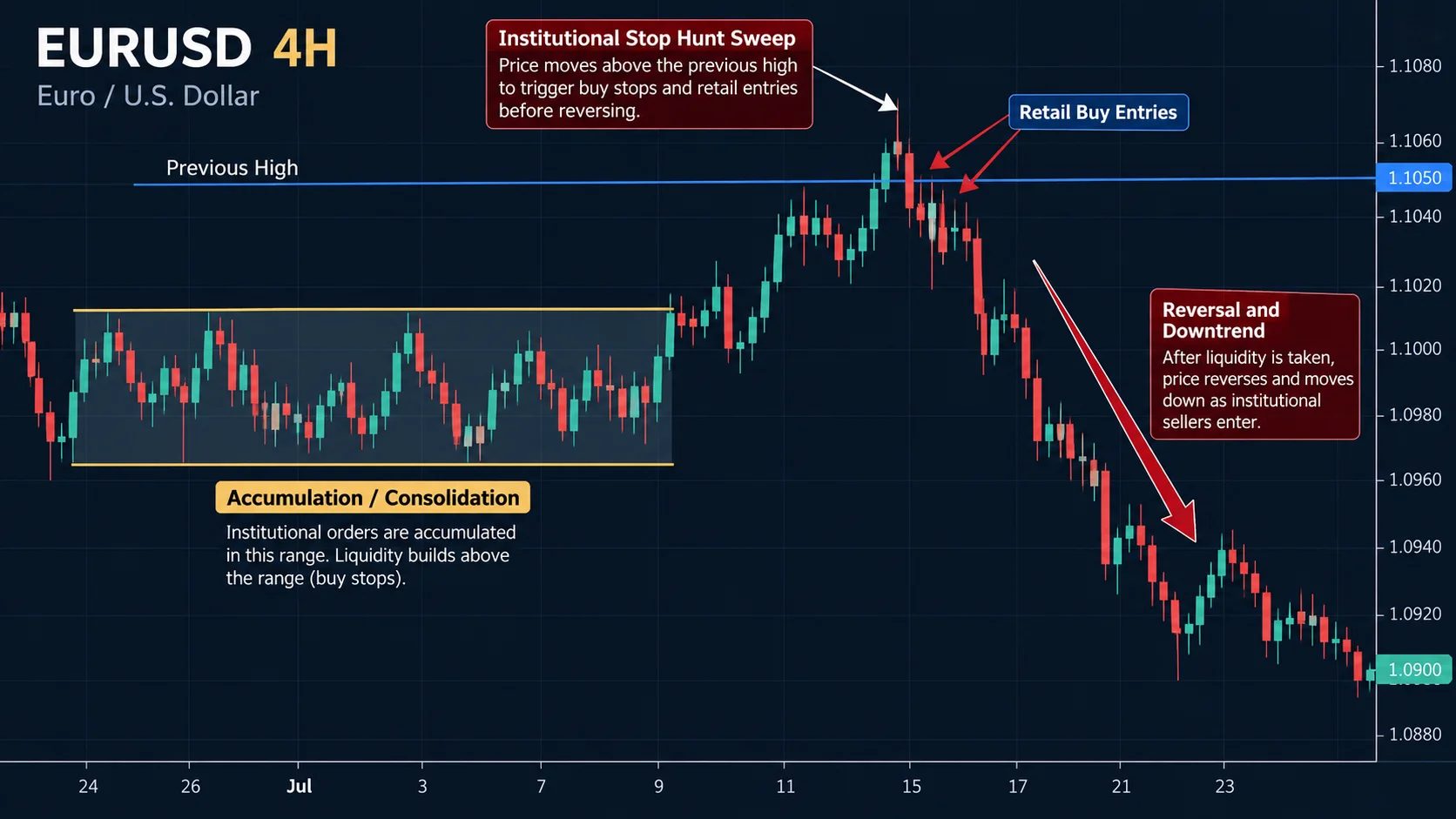
If you do not know who is buying, you are just guessing. Let us say you see a price level that has held up three times, so you decide to buy. But what if the big players are actually trying to push the price lower to hunt for stop losses? They want to trigger the sell orders of other small traders so that they can buy at a better price, and you would be standing right in the way.
The Reality of Retail Profitability
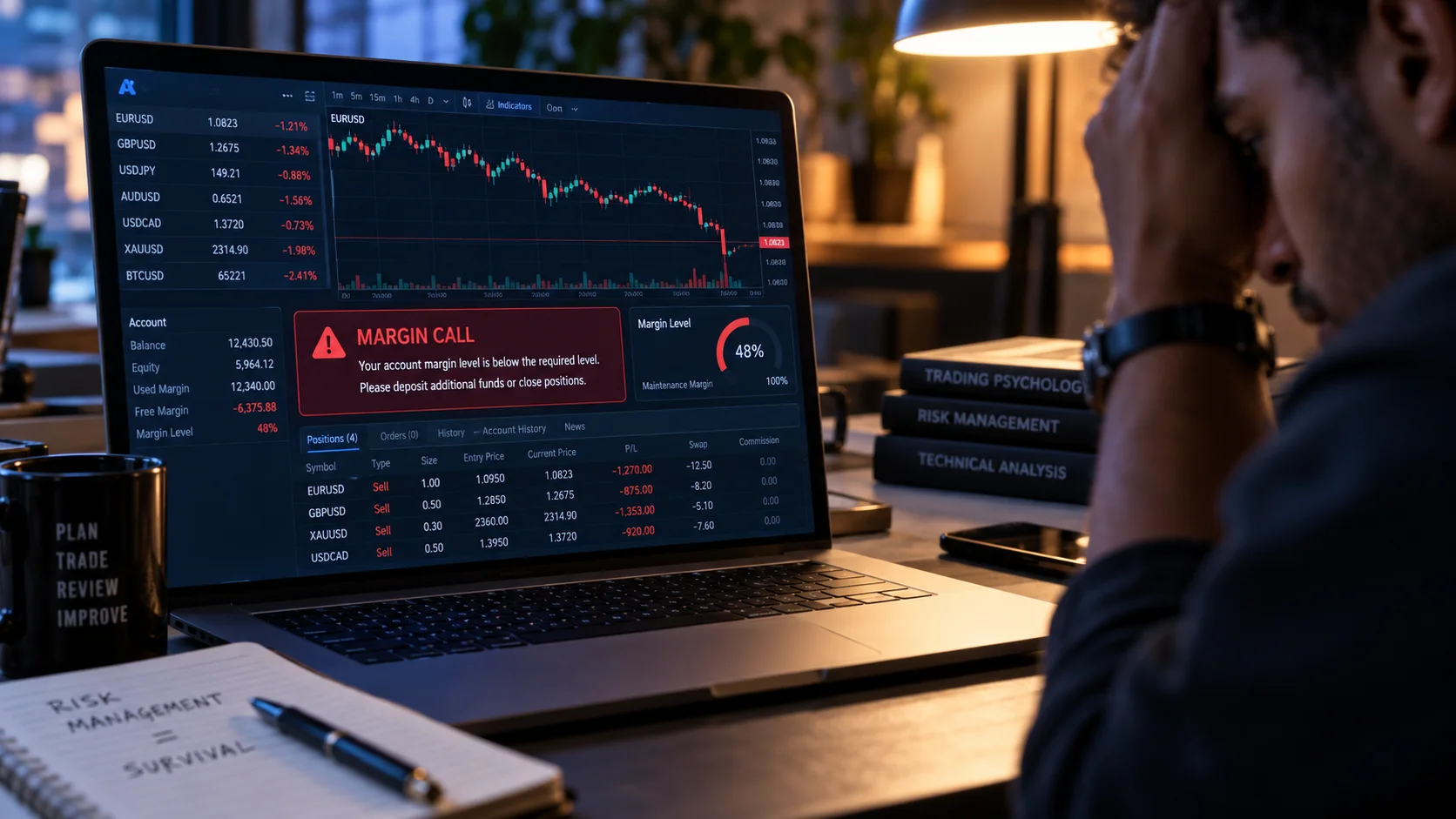
Most retail traders lose money. Europe's markets regulator found that 74% to 89% of retail CFD accounts lose money (ESMA), and the reason is not a mystery. Most people treat trading like a lucky guess and risk too much money on one trade. If you risk 20% of your account on a single trade, you are not trading, you are gambling. If you want to stop treating your hard earned money that way, How to Learn Forex Trading Step by Step for Beginners lays out the order I would learn things in if I started again.
To do well, you must think like the big players and protect your money first, so risk only 1% of it on any trade. If you have a 1,000 dollar account, that is 10 dollars. If you lose, you keep going, and if you win, you win three times what you risked, which is 30 dollars. Treat it like a recipe you follow the same way every time, and that is how you stay in the market long enough to learn. If you are still working out how much to start with, How Much Money Do You Need to Start Trading Forex goes through the mistakes I see beginners make with their first deposit.
Where To Read Next
If you want to keep learning, these are the ones I would read next.
- How to Start Forex Trading With $100 Step by Step
- How to Learn Forex Trading Step by Step for Beginners
- What Is Leverage in Forex Trading and How Does It Work?
- Is Forex Demo Trading Worth It for Beginner Traders?
- How to Read Candlestick Wicks and Shadows in Forex Trading
- The Best Forex Brokers in 2026 and Which One to Use for What
Frequently Asked Questions
Who trades the forex market and drives its massive daily volume?
The market is driven by central banks, big commercial banks and hedge funds, who trade billions of dollars to manage economies or make profits. Retail traders like us make up only a tiny part of the total.
Can retail traders actually make consistent profits against big institutions?
Yes, but you have to stop trying to fight them and learn to trade with them instead. You need strict rules for your money and a lot of patience.
How much money do I need to start trading forex as a retail participant?
You can start with as little as 10 or 100 dollars. But because your account is small, you must be very careful with how much you risk on every single trade.
Why do most retail forex traders lose money?
They use too much leverage and risk too much money on one trade. They also do not understand that the market is driven by much larger players.
Do I need to understand macroeconomic data to trade forex successfully?
You do not need to be an expert, but you should know when big news is coming. News like interest rate changes moves the market in ways that charts alone cannot show you.
If this helped you, send it to a friend who is learning to trade.